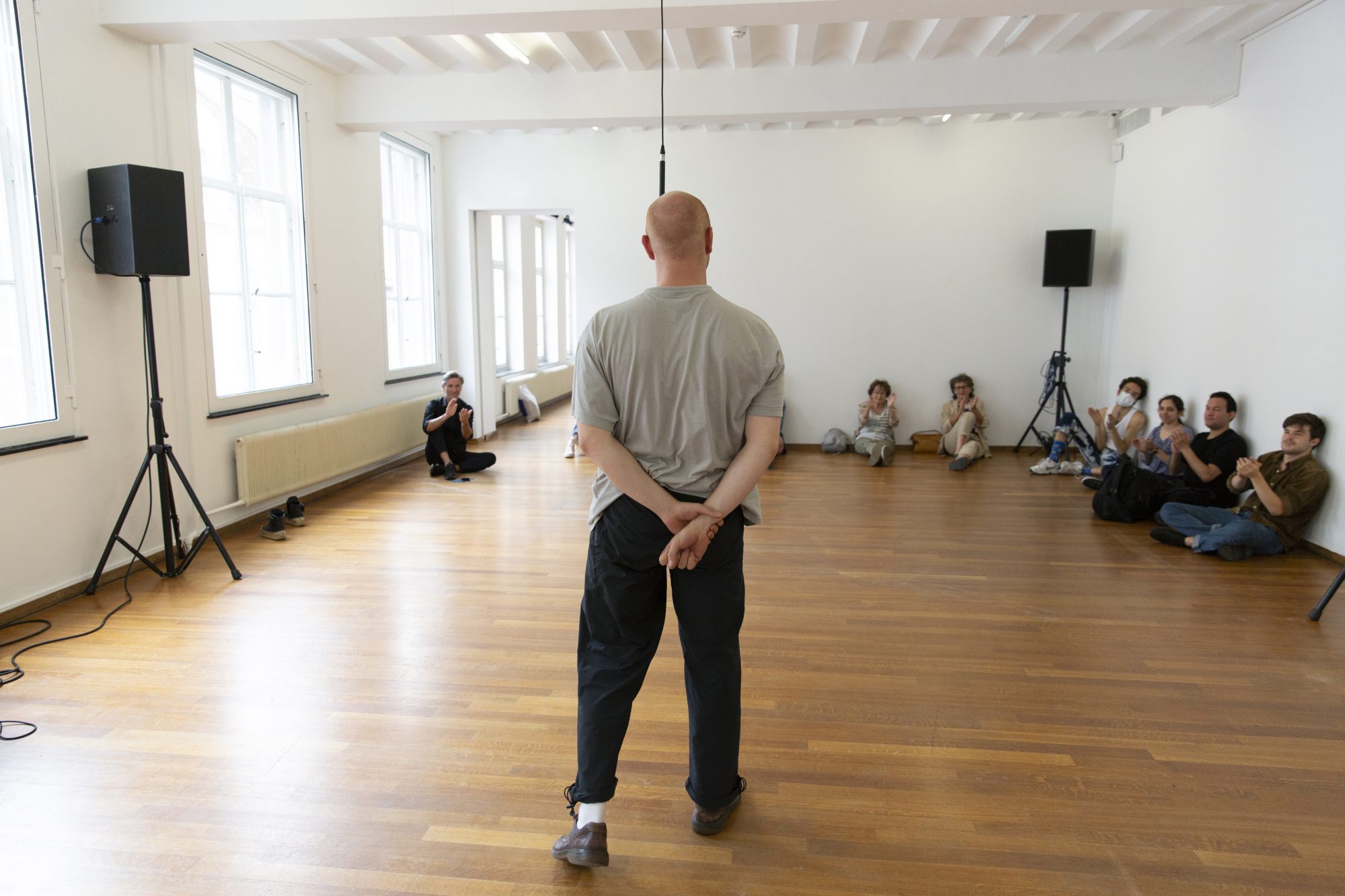
On Saturday 18 and Sunday 19 April 2026, MU Hybrid Art House in Eindhoven will open its doors for a new edition of Rooms.
Enter—skipping resiliently—into a specially built butterfly opera house: an electro-acoustic terrain of fluorescent light, a performative installation of puffer jackets, and a house party among beer cans and a sagging couch.
More and more artists are exploring the borderlands between disciplines. This leads to experiences that can no longer be captured within a single art form. Rooms Performance Festival has emerged in this twilight zone: a festival dedicated to the hybrid practices of performance artists. Rooms offers makers the possibility to explore this in-between space as a fertile ground where new forms can arise, while inviting visitors to open themselves to unexpected perspectives.
The festival is an initiative of Marres, Vlaams Cultuurhuis de Brakke Grond, Via Zuid, Dansateliers, Spring Festival, and MU Hybrid Art House, who annually bring together young makers and established talents in a context where experiment and curiosity take center stage.
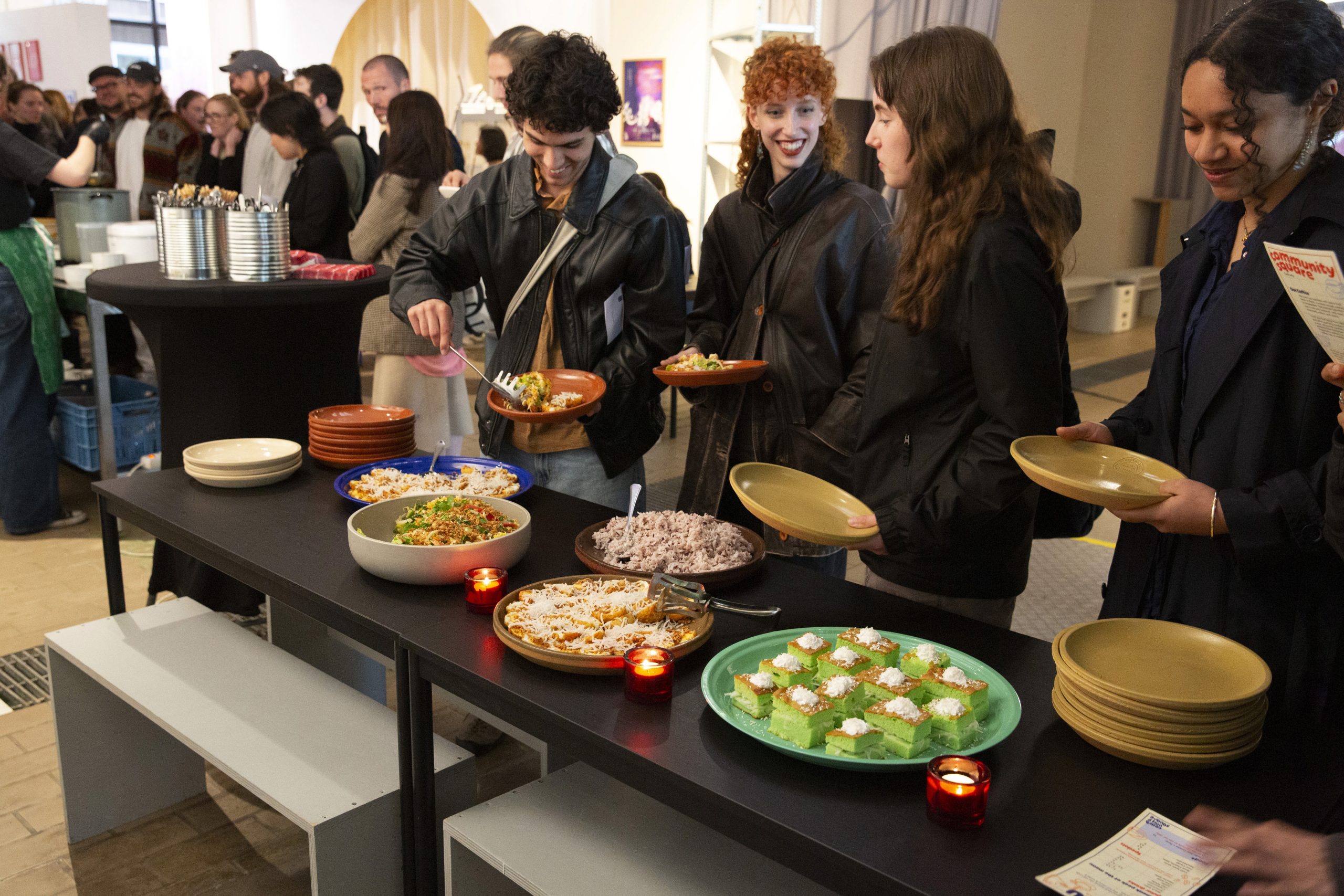
The program is the same on both days, and a day pass provides full access to all five performances spread throughout the day. On Saturday, April 18, a shared dinner will take place for all visitors after the performance fold manifold, included with the ticket. This will be followed by the final performance of the day, So, after which there will be an opportunity to stay and enjoy drinks.
Tickets Saturday (via MU Hybrid Art House) Tickets Sunday (via MU Hybrid Art House) Throwback to Rooms 2025 at MarresInez Wolters & Bart Hess
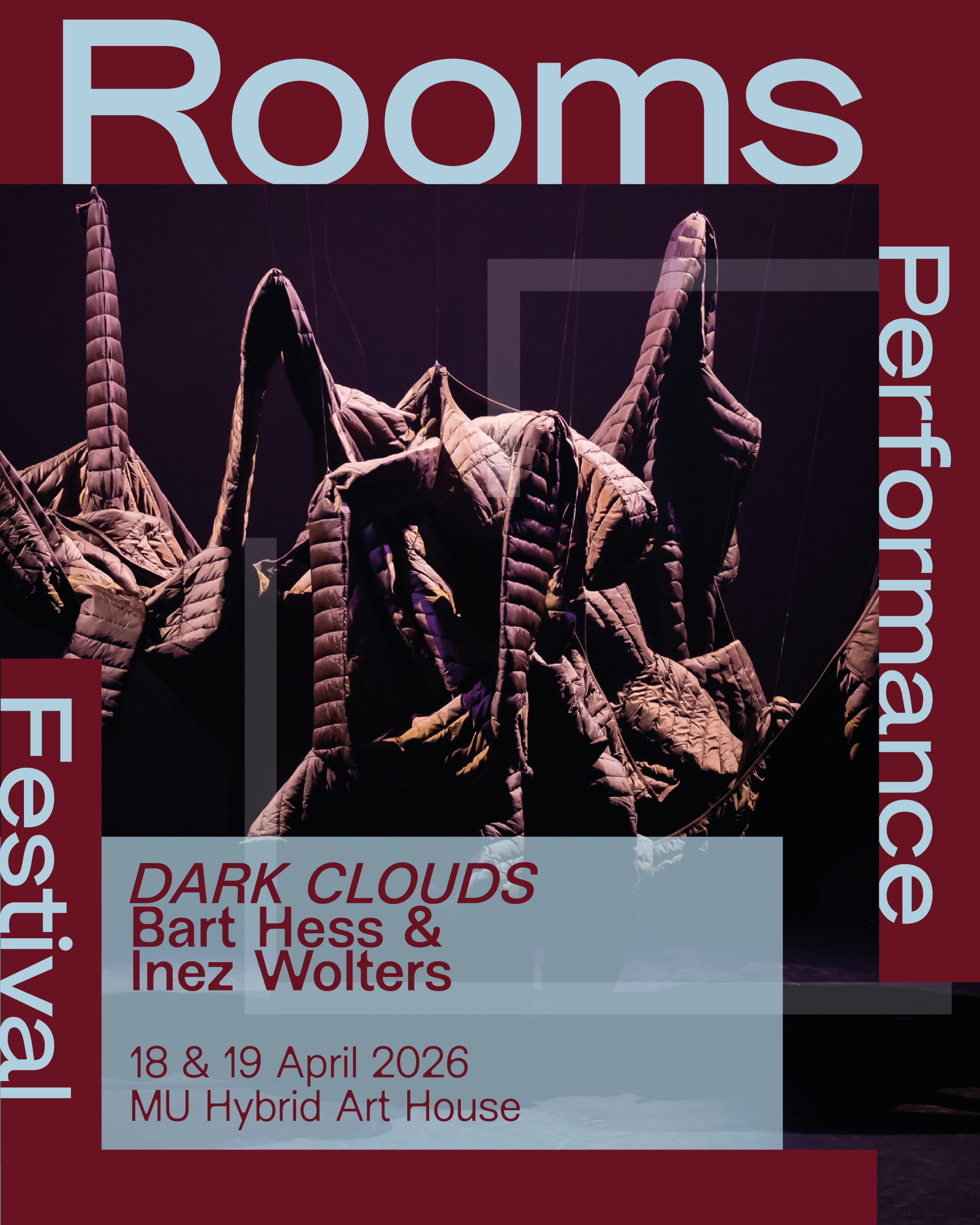
DARK CLOUDS
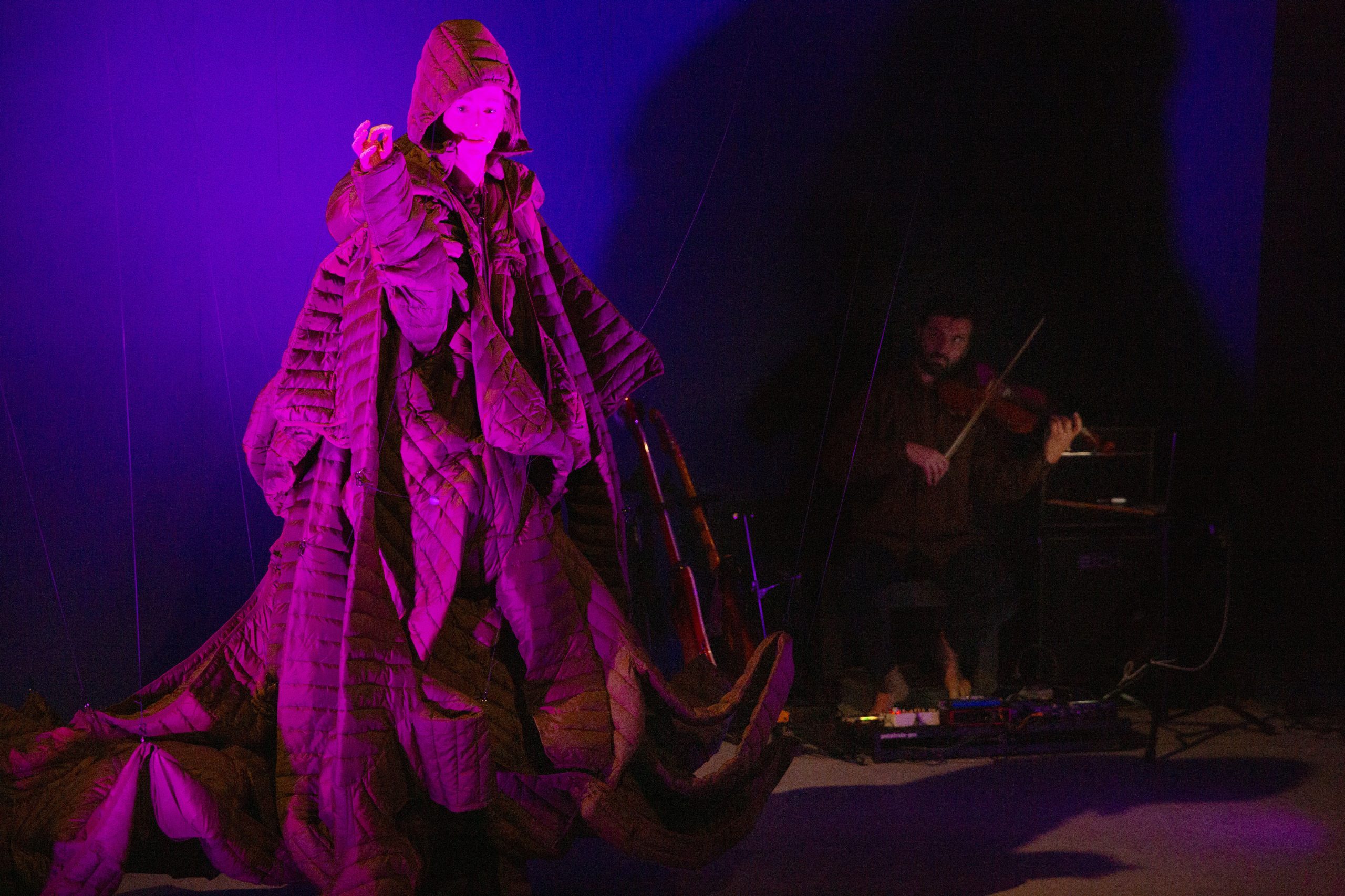
Following a working period with the Al-Harah Theater in Beit Jala on the West Bank, Inez explores in DARK CLOUDS what humanity means when it is under daily pressure, and how this humanity can form the basis for a new, hopeful transformation. The performative installation, created in collaboration with Bart Hess, centers on a semi-wearable object constructed from puffer jackets, an everyday garment worn globally by both rich and poor. The object is in constant transformation: from dark cloud to tent camp, from crowd of people to shelter. Threat and solidarity flow into one another, while the work makes tangible a movement toward a connected, human strength.
Boris de Klerk & Finn Borath
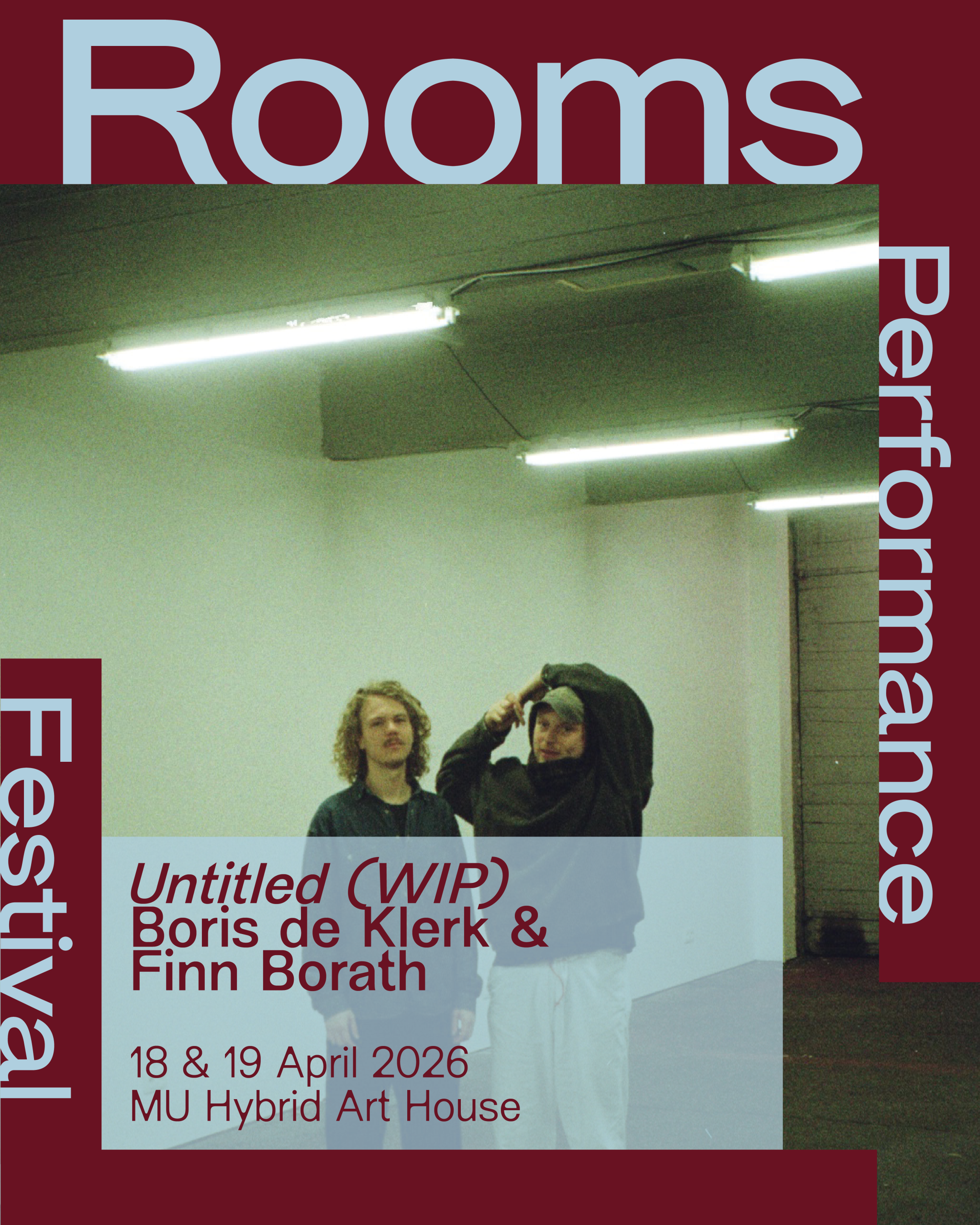
Untitled (WIP)
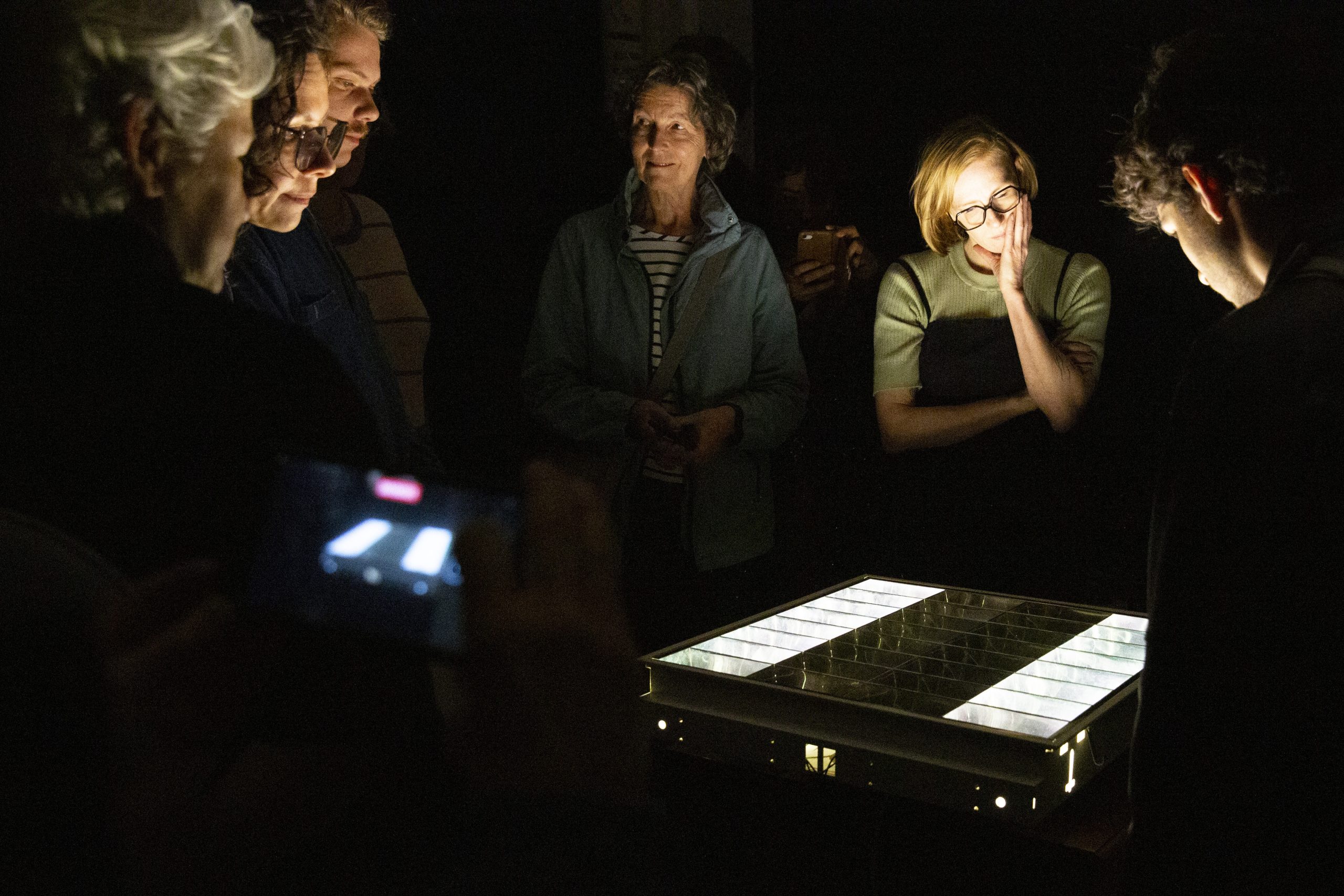
In Untitled (WIP), the space itself becomes the performer. The artist duo focuses on fluorescent lighting, an entity we usually barely notice. By subtly manipulating the tension in the tubes, both the light and the sound change. The soft clicking and buzzing, normally a sign of a faulty fixture, often dismissed as background noise, becomes the foundation of an electroacoustic landscape that travels through the space. The lamps, originally meant to provide clarity and function, reveal a continuously shifting terrain of light and resonance.
juan felipe amaya gonzález
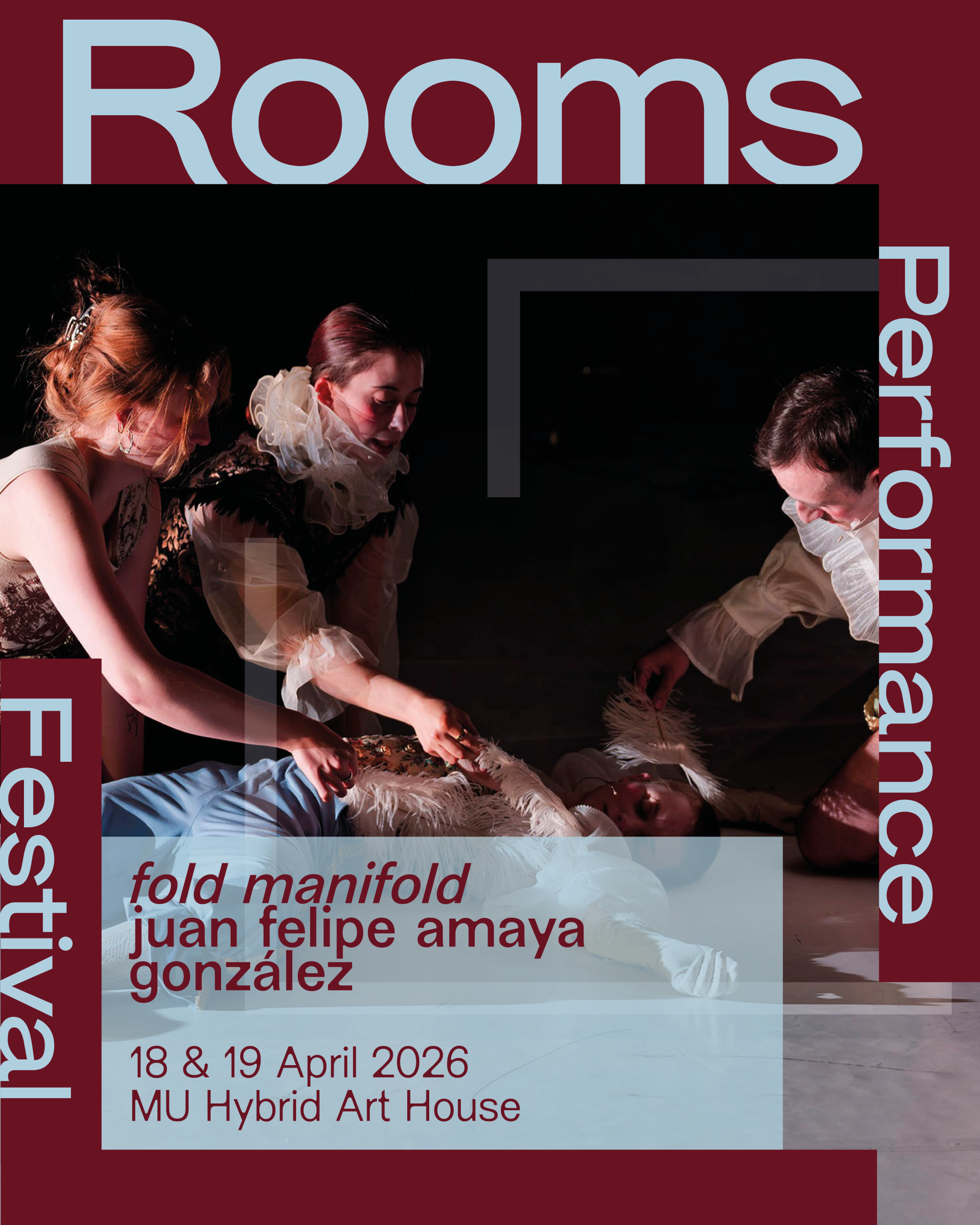
fold manifold
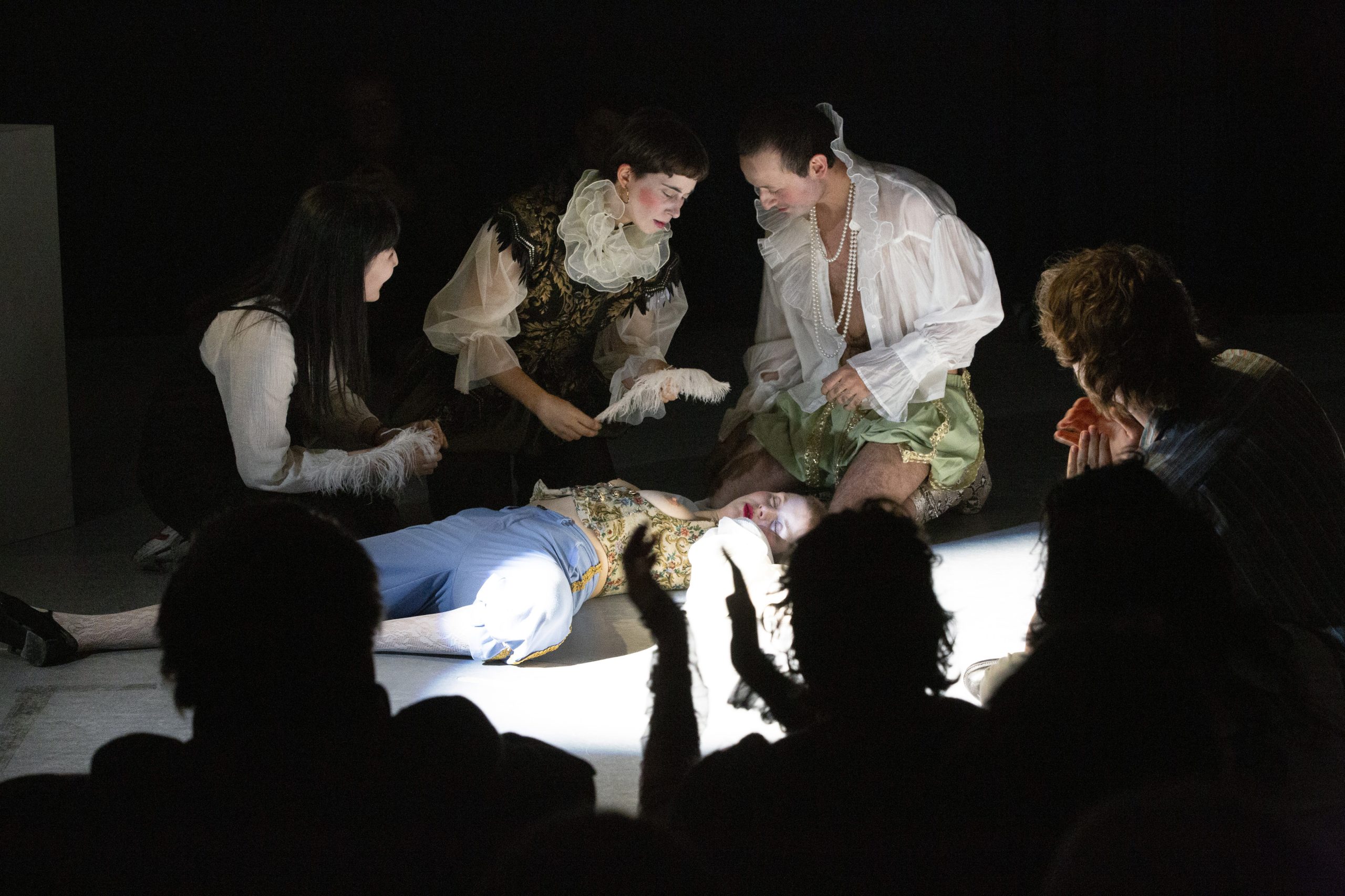
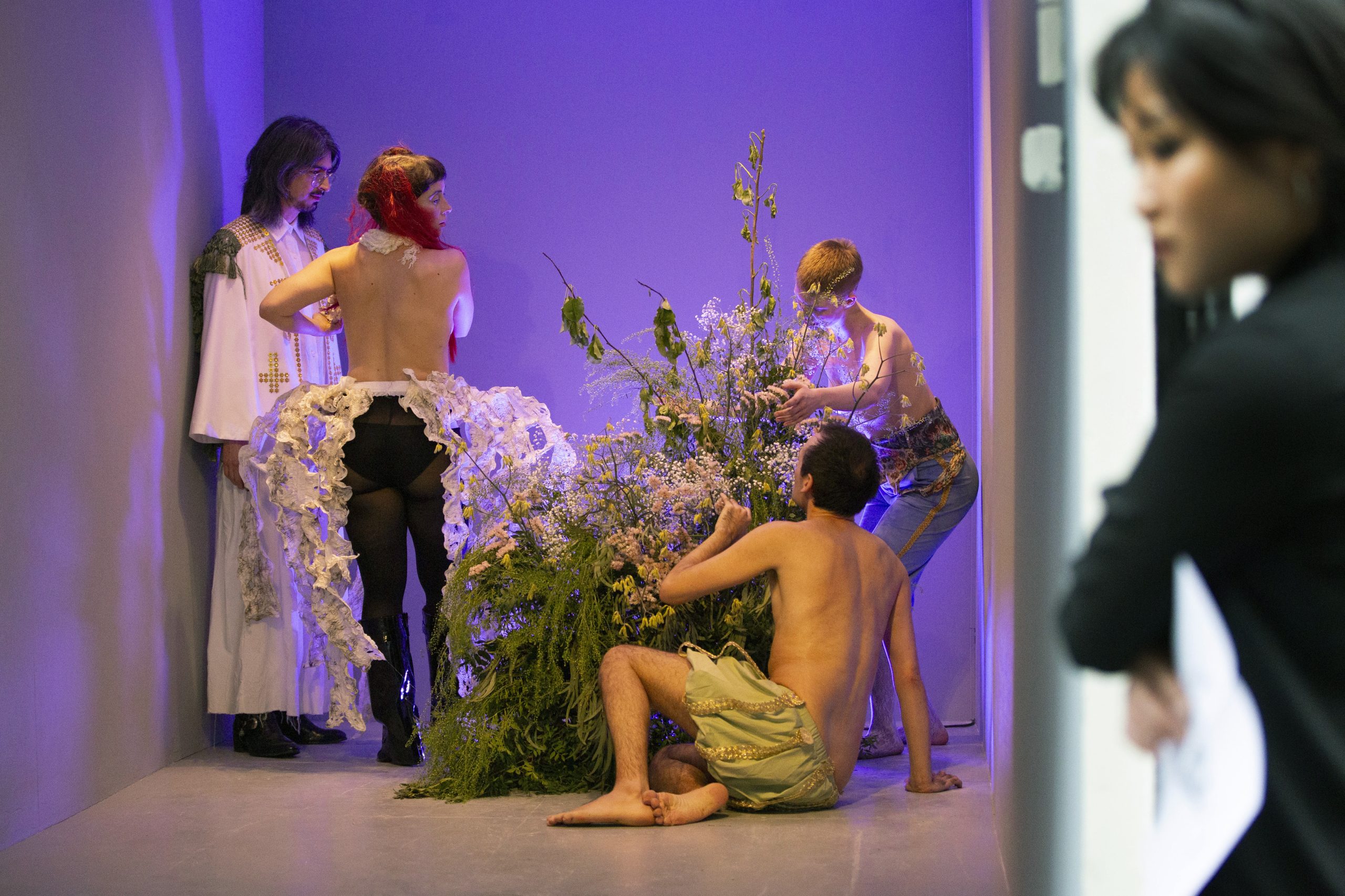
fold manifold is a trans-species performance by juan felipe amaya gonzález that culminates in the emergence of live butterflies inside a specially constructed butterfly opera house. The work is conceived as a more-than-human collaboration and examines practices of concealment, colonial legacies, and coded forms of visibility, creating a quiet negotiation between hiding and revealing. The point of departure is the term mariposeo, a Latin American Spanish expression that denotes both camouflage and excess, and which the work uses to explore questions of transmutation. By combining theatrical elements such as Baroque plays, melodrama, and masked dance, fold manifold shows how visibility has been historically determined and how we learn what is shown and what remains hidden.
Andreas Hannes
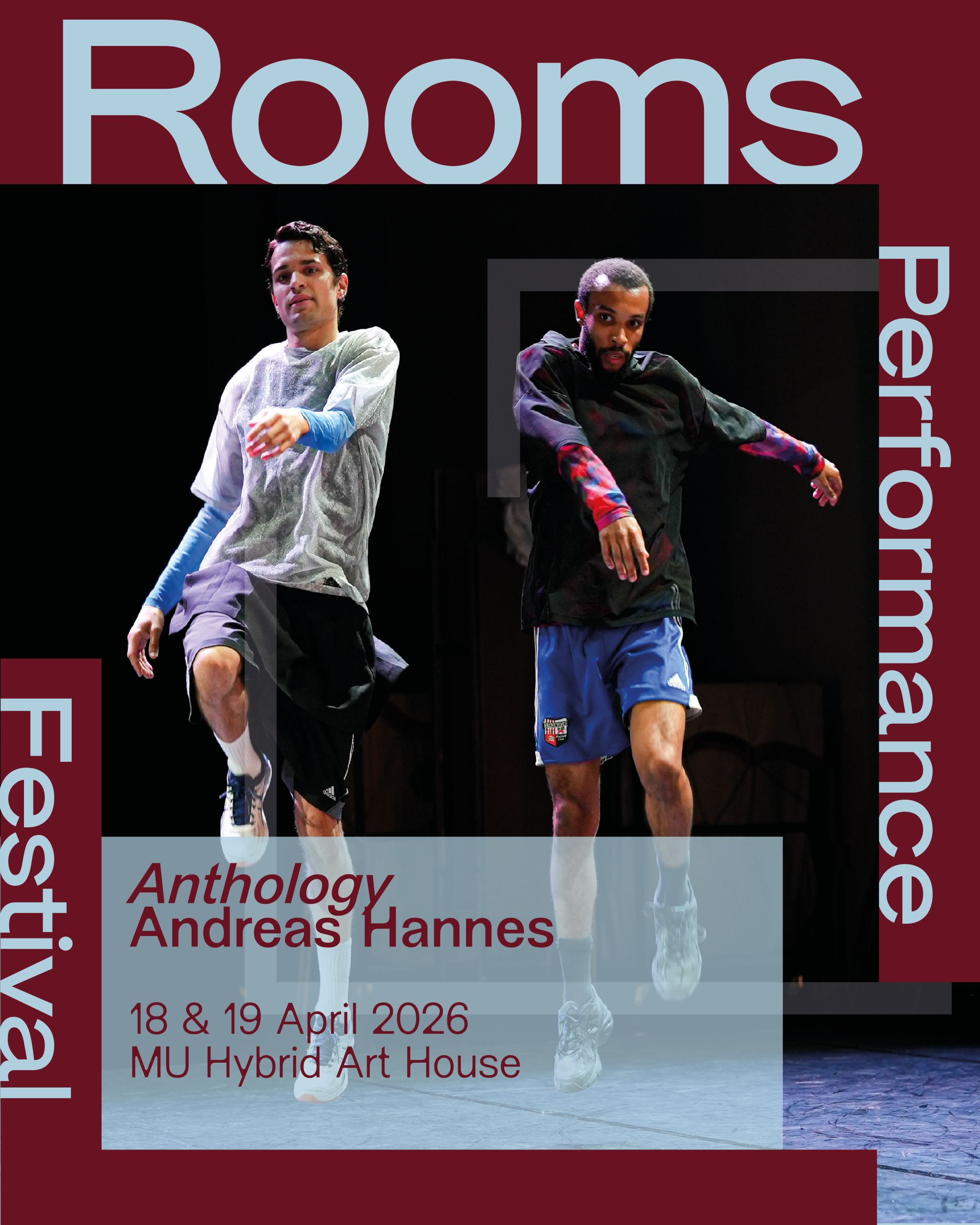
Anthology
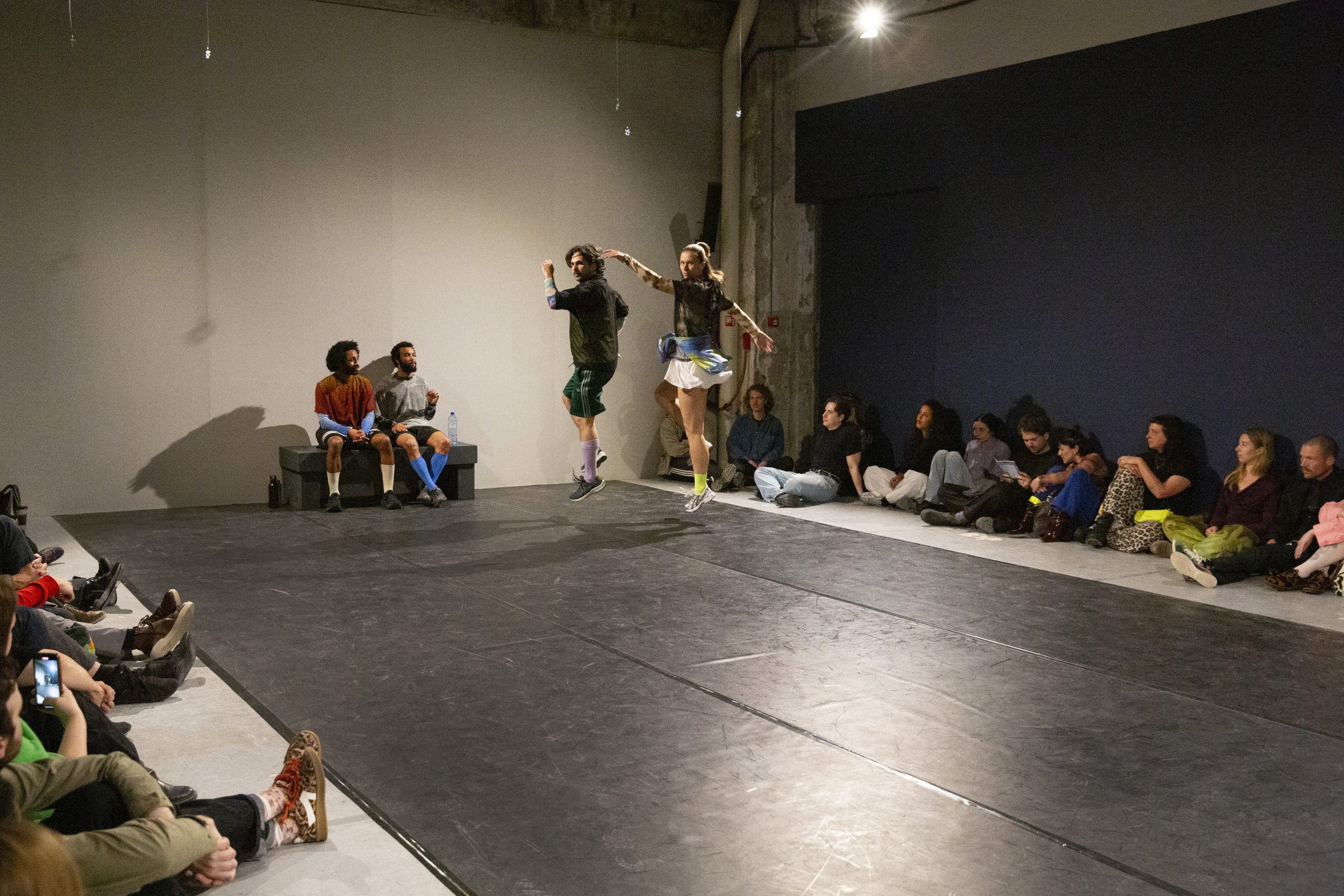
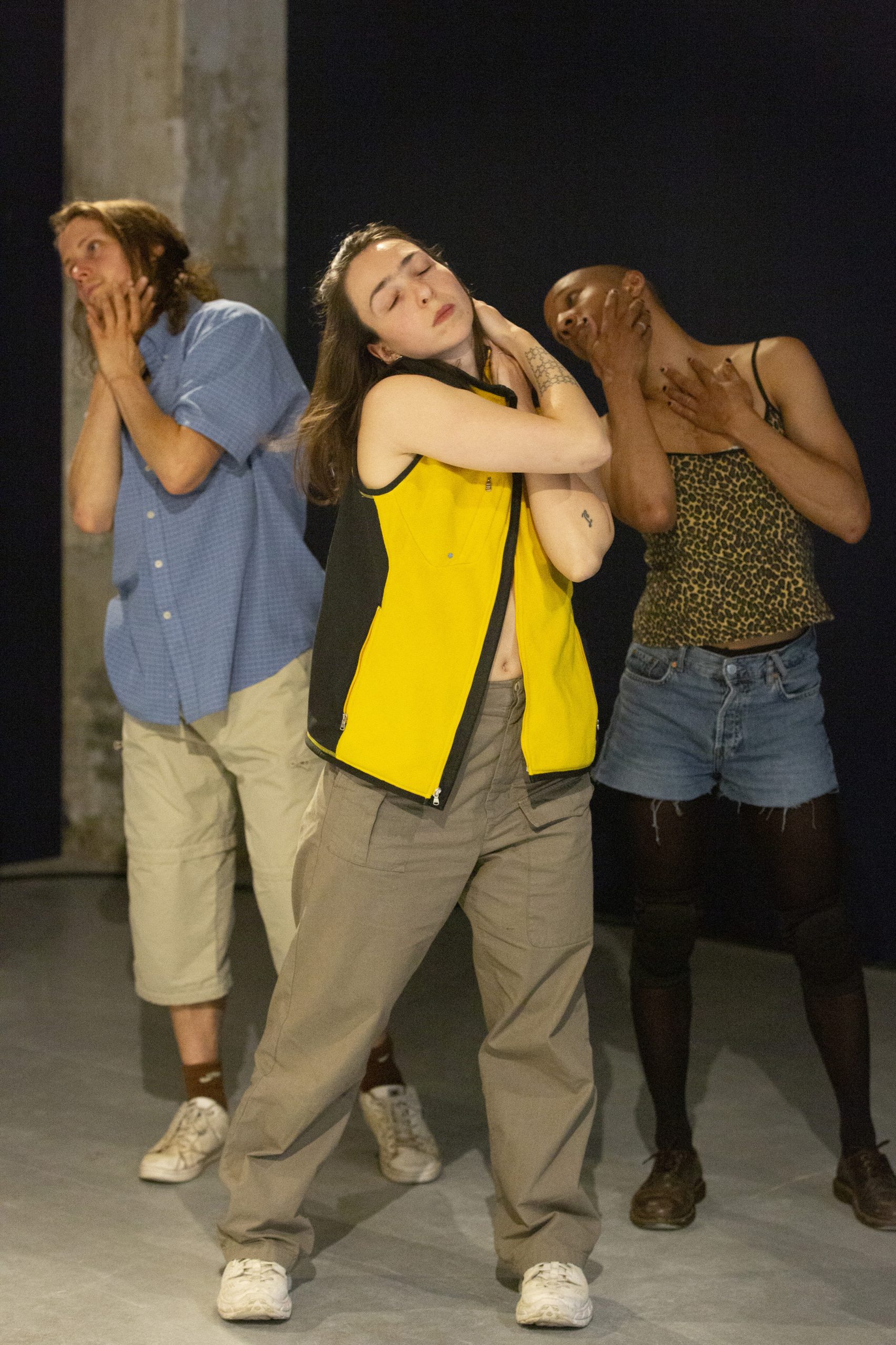
Skipping is a playful, infectious movement that reminds us of childhood. But for Andreas Hannes, it also symbolizes the human need for freedom and expression. In his dynamic dance performance Anthology, skipping forms the core of the work. Together with five other dancers, he investigates the origins of this movement and how it appears across different dance traditions—from folk dance and ballet to club dance and hip-hop. The expressive movement is paired with mash-ups of pop music drawn from year-in-review compilations, transforming the stage into an energetic and innovative arena. The open and inclusive nature of skipping turns it into a means of connecting differences and making the resilience of body and mind palpable.
Nikima Jagudajev
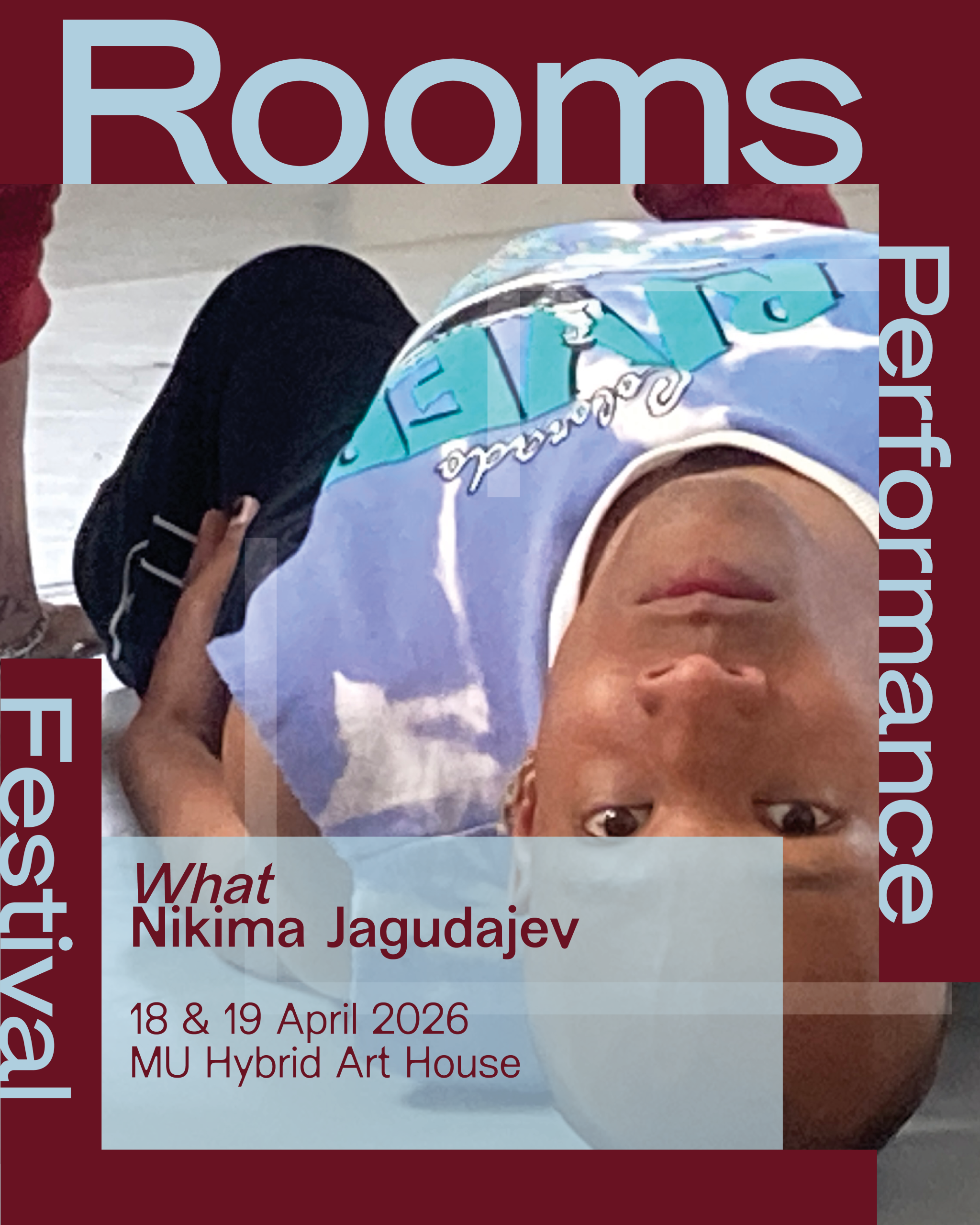
What
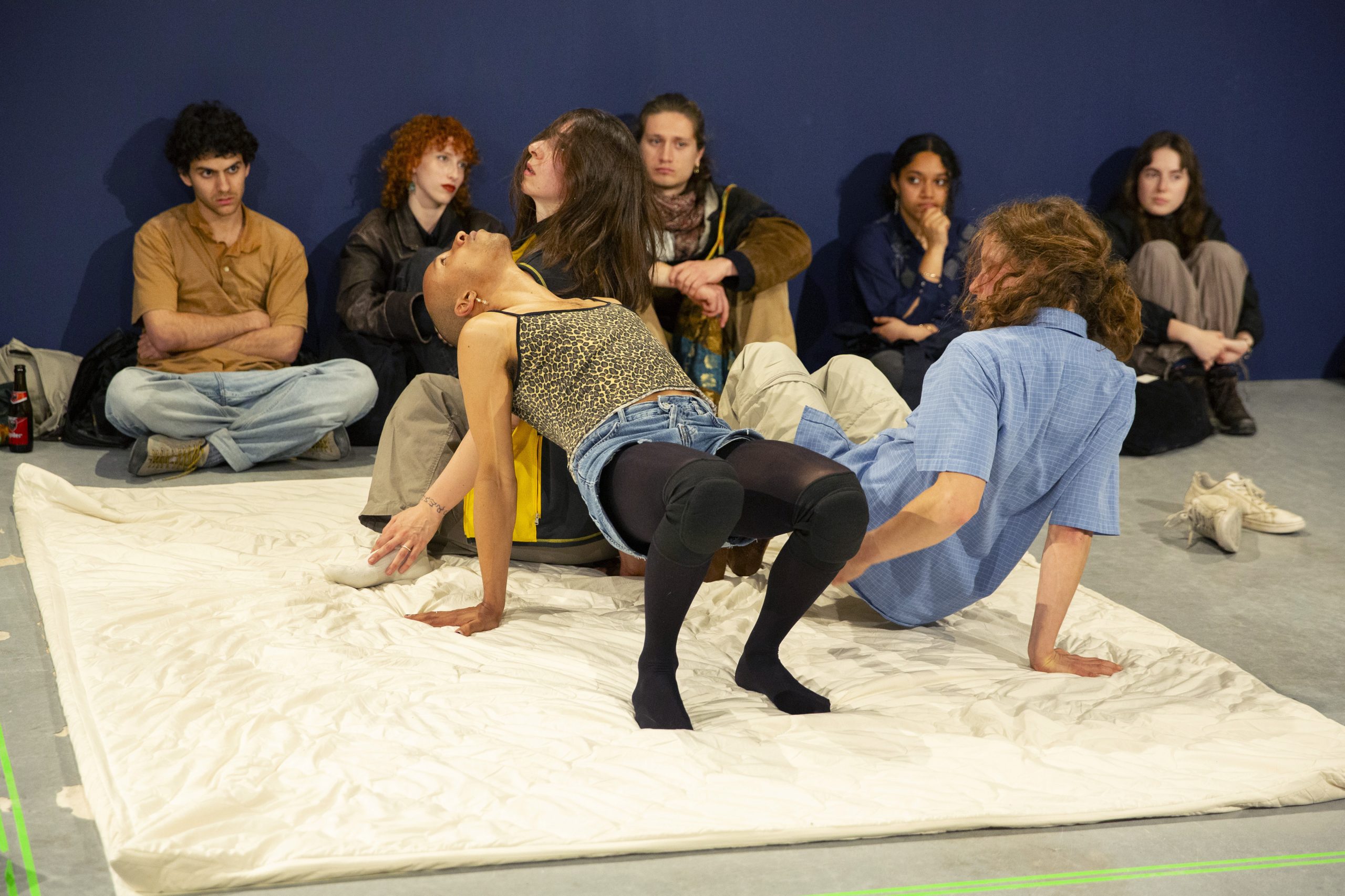
The house party referred to in What takes place in a house that doesn’t count, a house that isn’t a home. It exists only for the desperate gathering of lost souls who temporarily come together there, among beer cans and a worn-out couch. Navigating such a house party can feel like playing an open-world, multiplayer role-playing game. People sit, drink, talk, and drift between passion and ugliness. Audience and performers together form the players. The question is who they become in relation to one another in the various rooms of the house. Inspired by her fascination with world-building and game structures as forms of integrated art, What is an initial compact prototype of a larger work that will eventually be played as an open-ended game.
Overview Rooms
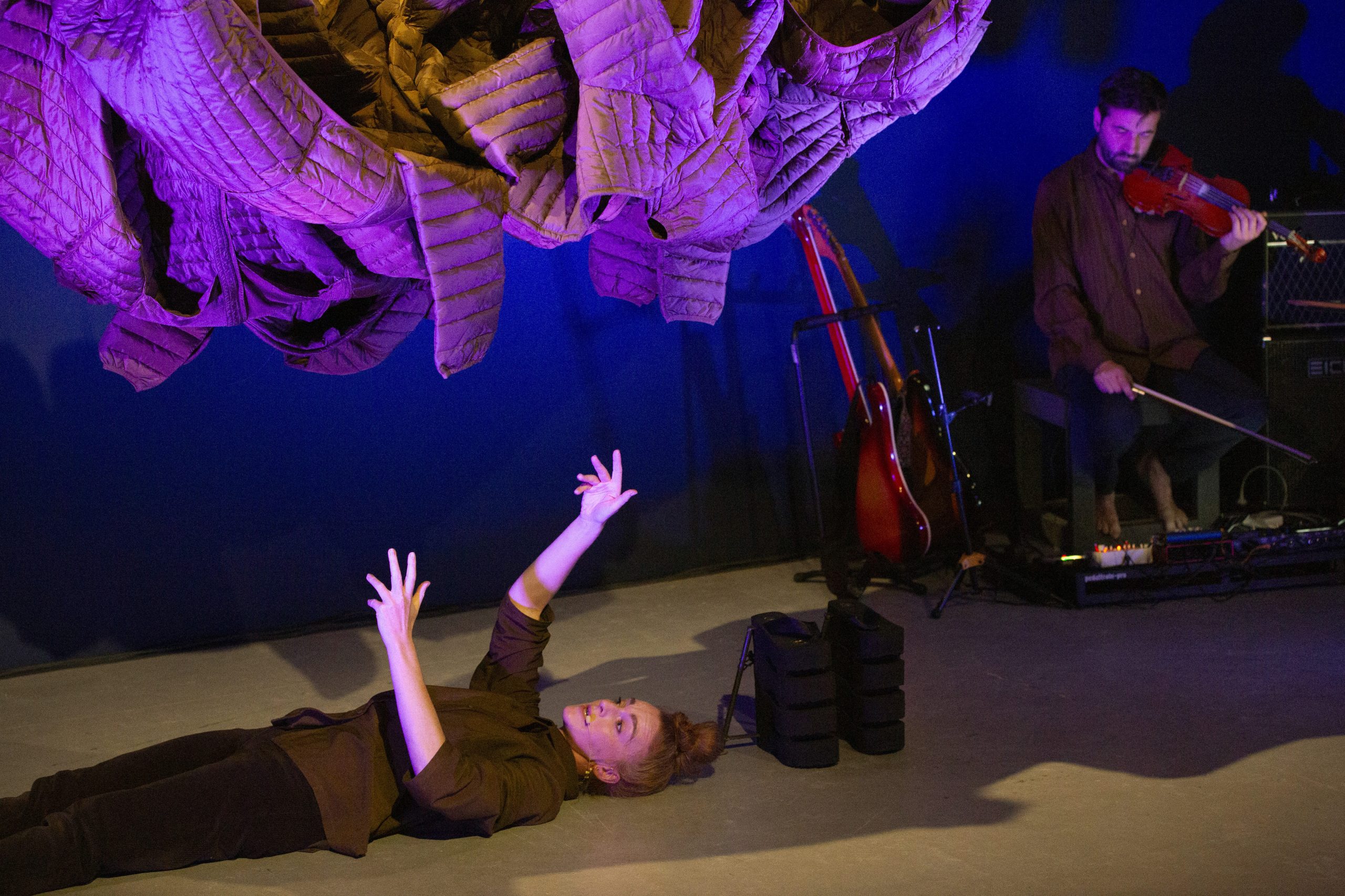
Photo: © Sanne Peper
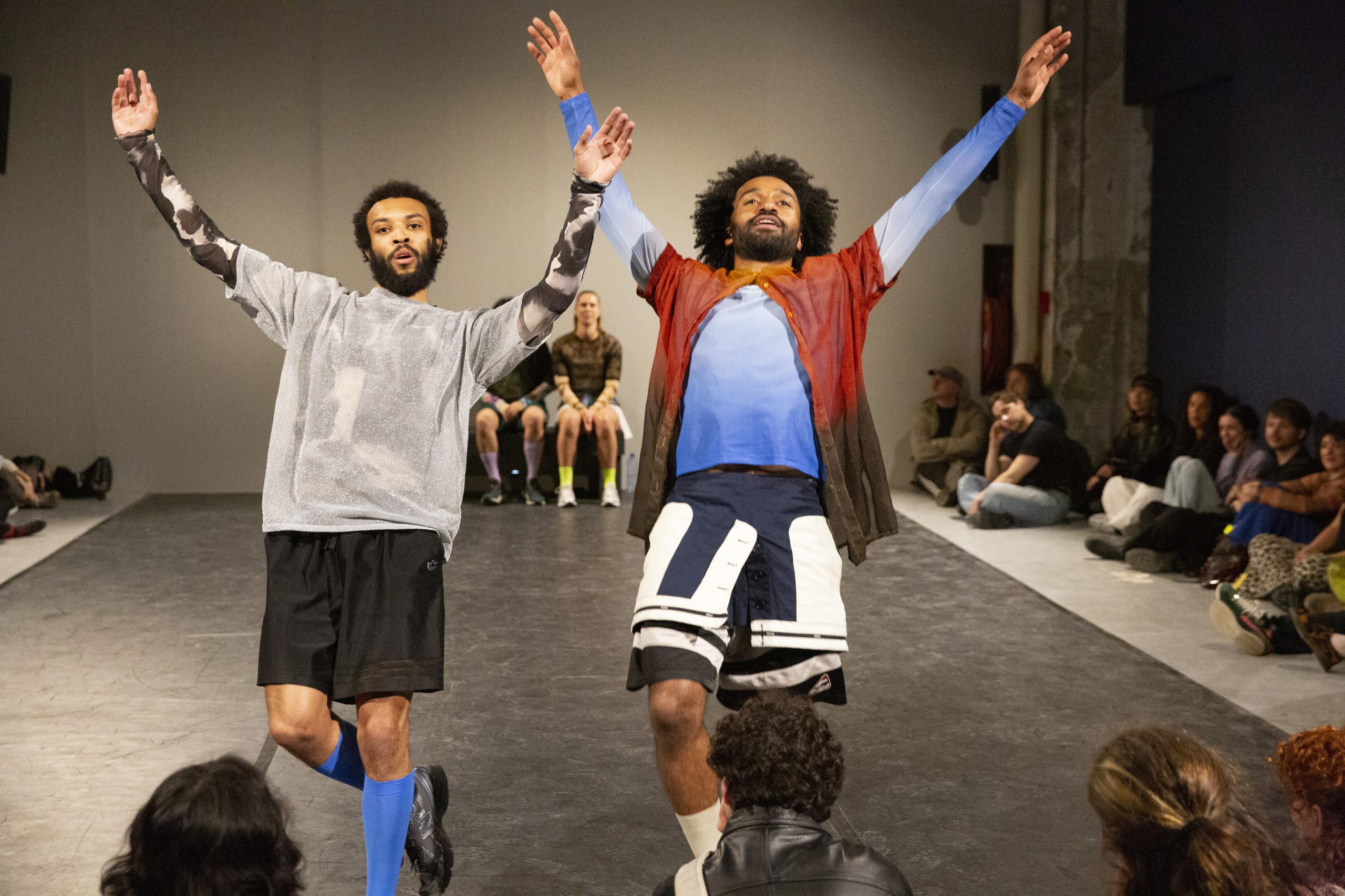
Photo: © Sanne Peper
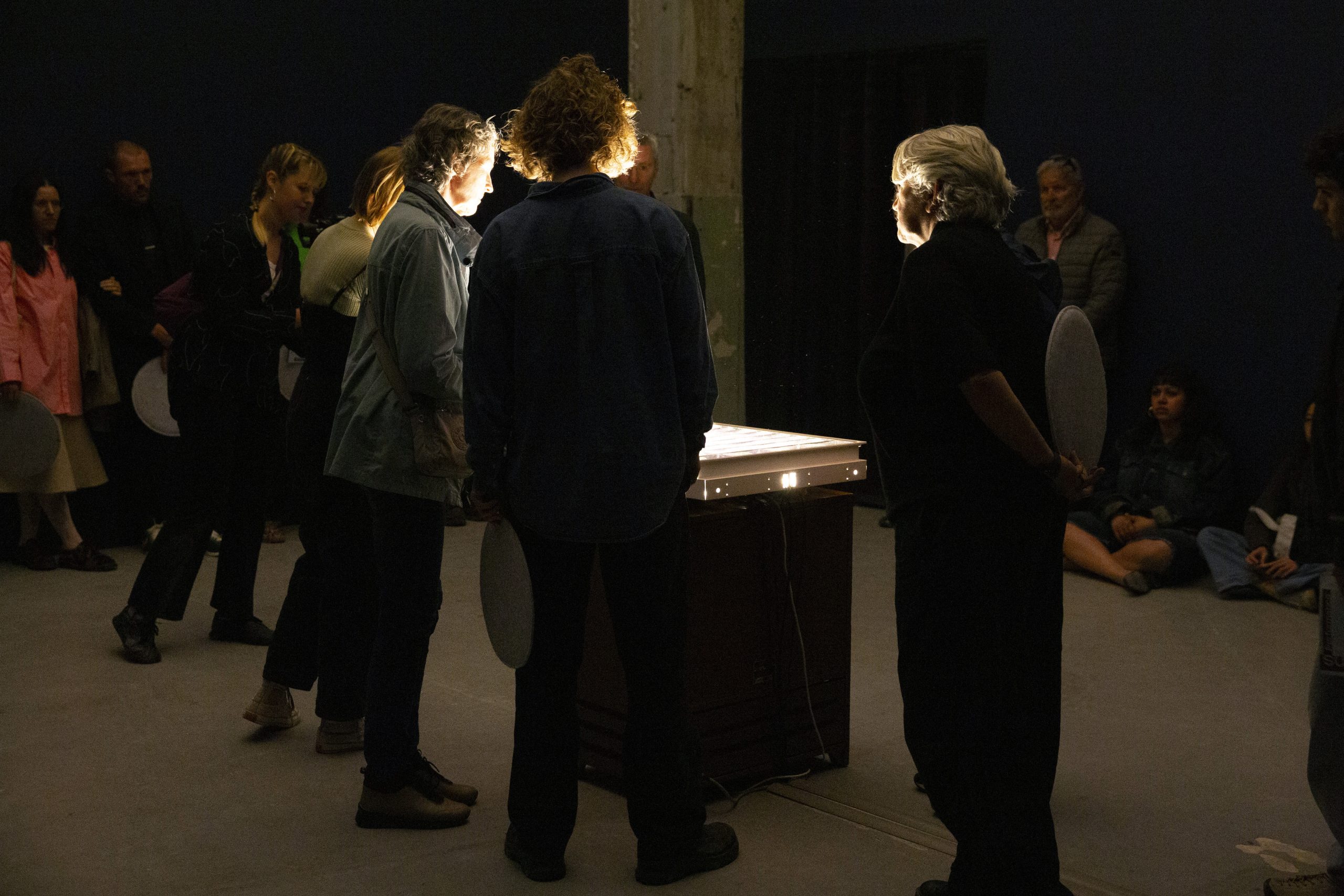
Photo: © Sanne Peper
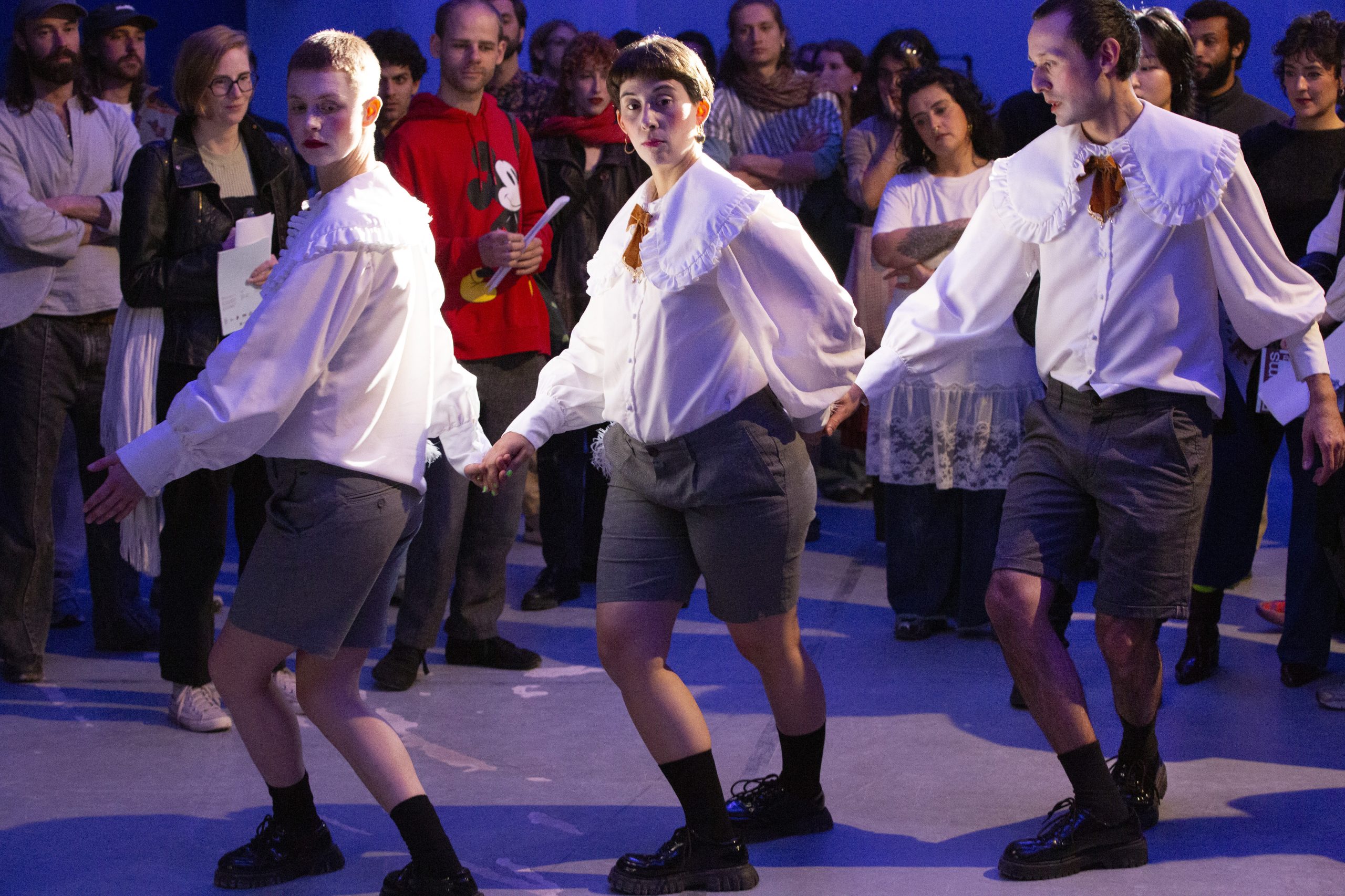
Photo: © Sanne Peper
Partners / with thanks to:
Partners Rooms 2026:
Marres, House for Contemporary Culture
Via Zuid
Dansateliers
De Brakke Grond
Spring Performing Arts Festival
MU
Thanks to:
The MU, Via Zuid, de Brakke Grond, Dansateliers, Spring & Marres teams for all help & cooperation.
Special thank to the support of: Gieskes-Strijbis Fonds
Marres receives structural support from the Ministry of Education, Culture and Science, the Province of Limburg and the Municipality of Maastricht.