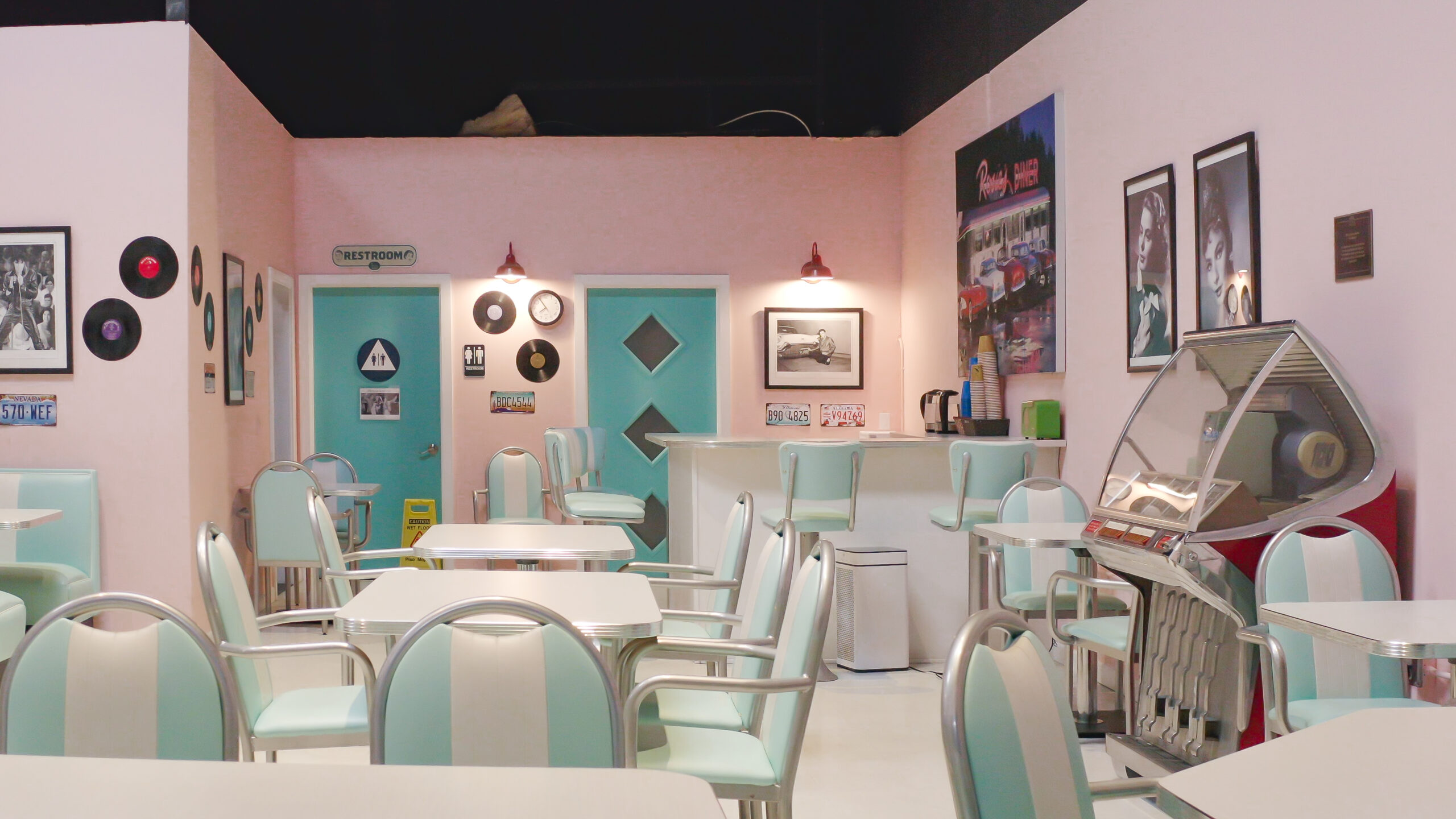
The exhibition Edited Memories (working title) by French artist Julien Discrit explores human memory and aging.
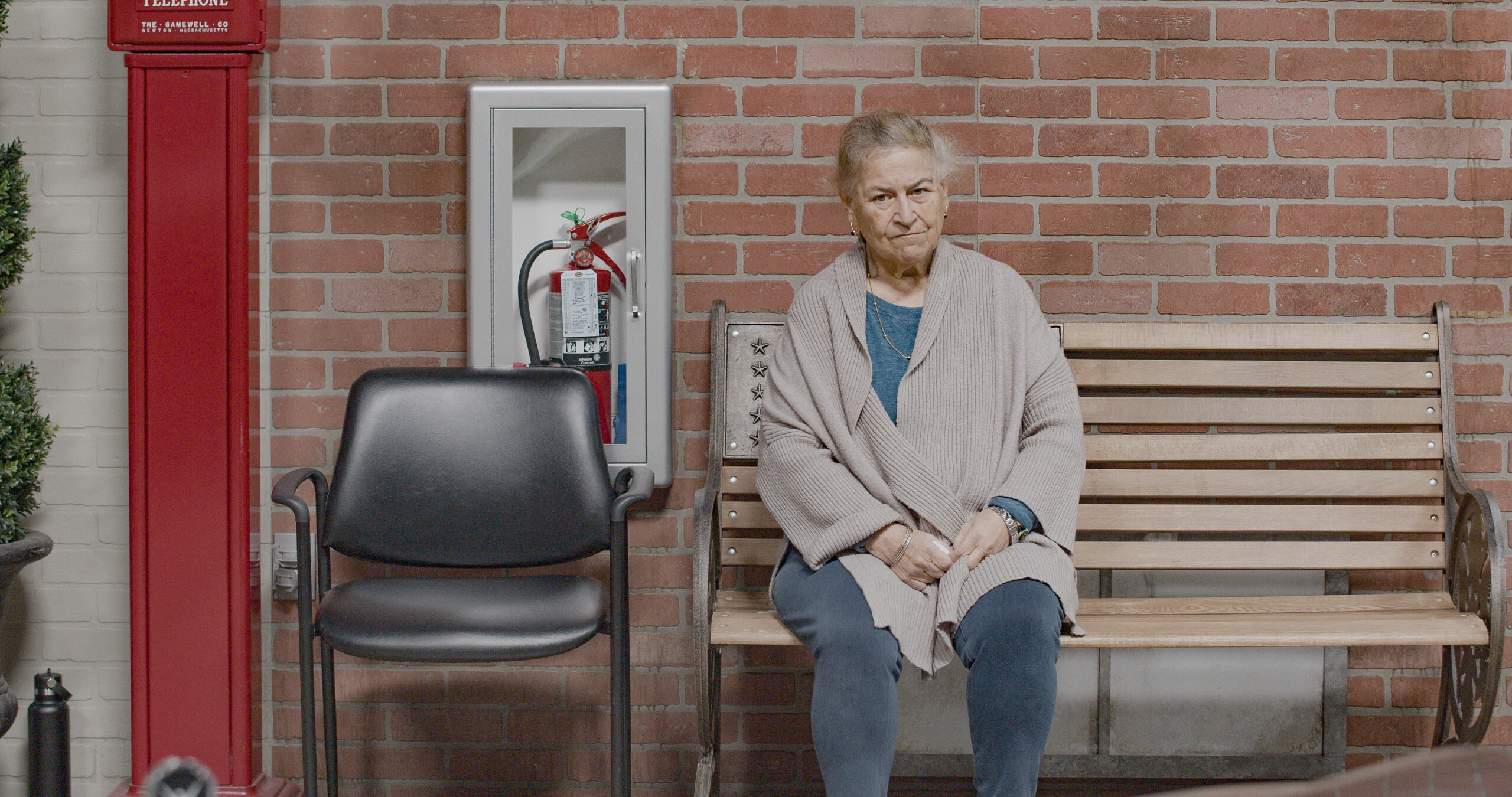
At the heart of Edited Memories is a film project that Discrit developed at the Memory Care Centre in San Diego. This specialized care facility for people with memory impairments uses reminiscence therapy, a form of psychotherapy that draws on objects and environments from the past to bring memories back to life. The film takes visitors through a care facility with interiors modeled on the 1950s. Using AI-generated images and music, the installation, of which the film is a part, immerses the audience in a past that never existed.
Biografie
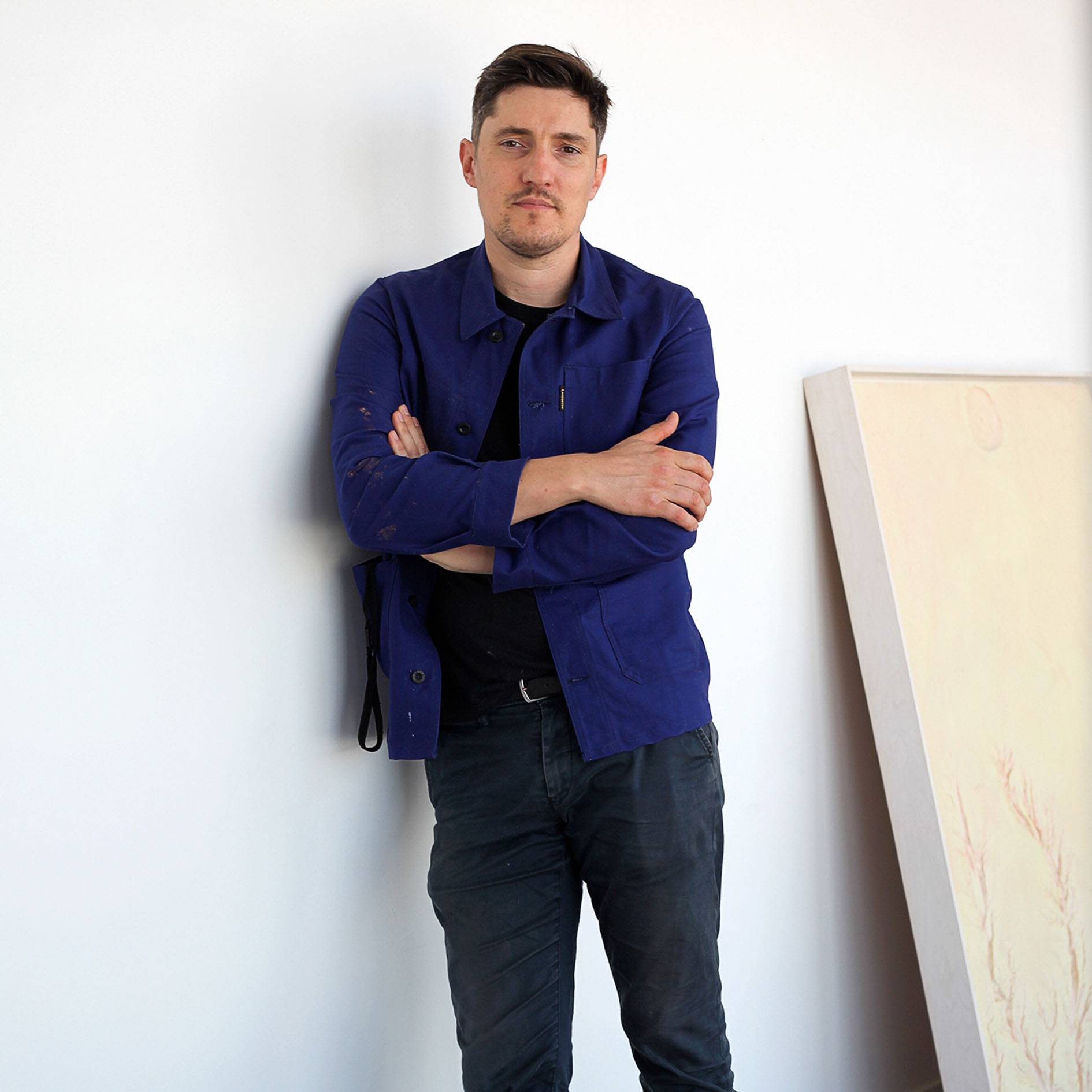
Julien Discrit (1978, Épernay, France) lives and works in Paris. Trained as a geographer, he explores how physical and biological processes generate forms and how these can be made visible and represented. Inspired by geomorphology and neuroscience, he works across a range of techniques and materials to create sculptures, installations, videos, photographs, and paintings. His work often emerges from experiments and captures traces of processes that continually transform the world. These traces function as imprints that evoke both personal and collective memories, reflecting on how we experience time and our surroundings. His often fragmentary images explore the relationship between humans and their environment, between the visible and the hidden, and between reality and imagination.
Discrit has participated in numerous national and international exhibitions, including Sublime: les tremblements du monde at Centre Pompidou-Metz (2016) and the Lyon Biennale in 2011, 2017, and 2024. His work is held in several public and private collections. He has received various grants and awards, including support from Fondation des Artistes in 2016 and 2022, the Fawu Prize, and the 1% art market grant from Crédit Municipal in 2019.
Partners / thanks to:
Julien Discrit is represented by Galerie Anne-Sarah Bénichou in Paris and Thomas Henry Ross Art Contemporain in Montreal.
Marres receives structural funding from the Dutch Ministry of Education, Culture and Science, the Province of Limburg, and the Municipality of Maastricht.
